
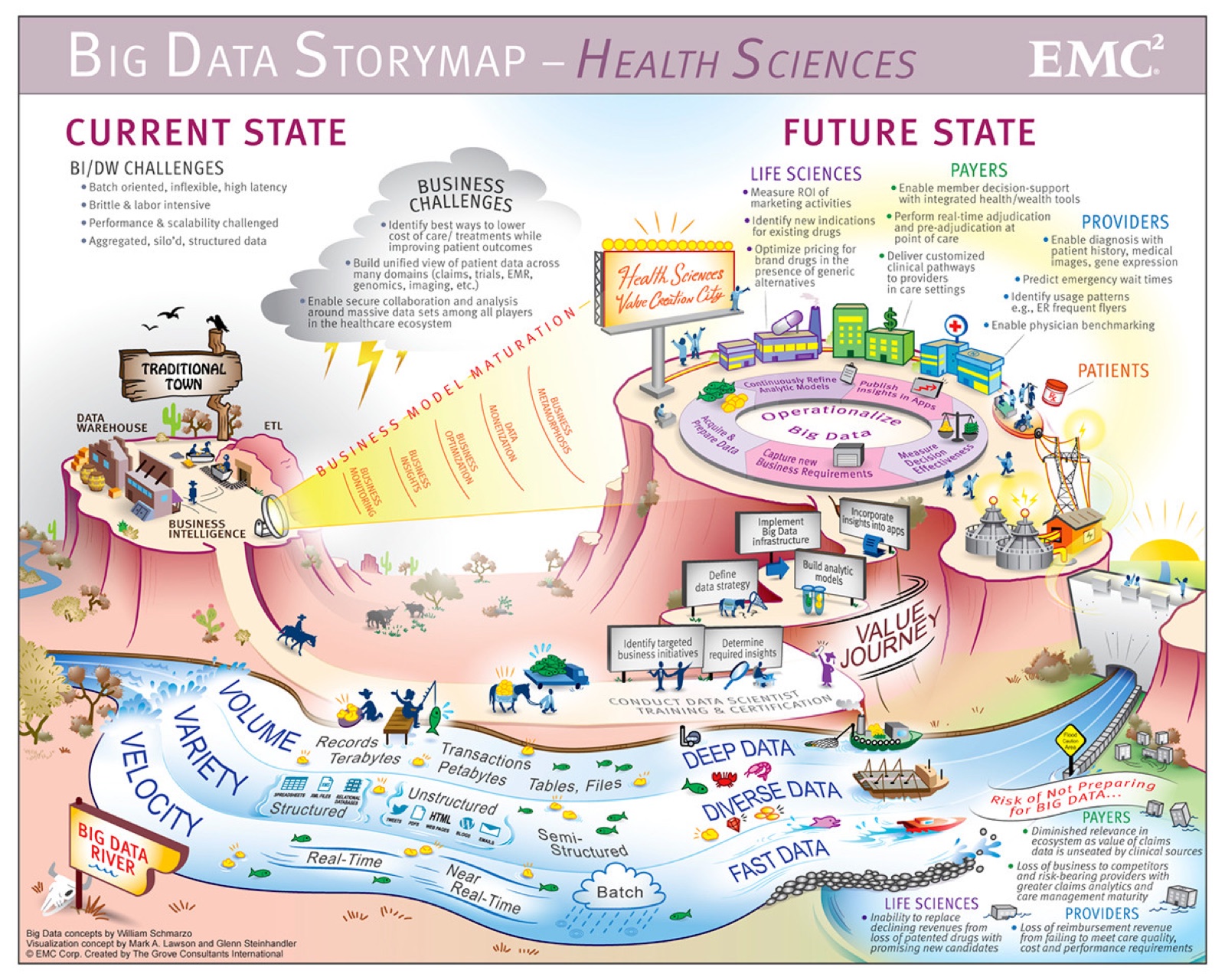
Capturing attention is harder than ever. With so many messages competing for people's focus, businesses need better ways to stand out. One of the most effective is visual storytelling: pairing a clear story with strong visuals so the message sticks. Here's how visual storytelling can help your business connect with customers and grow.
Understanding Visual Storytelling
Visual storytelling is the art of conveying information and emotions through images, videos, and graphics. It goes beyond good looks; it taps into how naturally we take in pictures. Most people grasp an image long before they would finish reading the same idea as text, so a well-crafted visual story can get complex ideas across quickly.
The Elements of Visual Storytelling
To create impactful visual stories, consider these essential elements:
- Narrative: Every story has a beginning, middle, and end. Define the message you want to convey and structure your visuals around it.
- Imagery: Use high-quality images that evoke emotions and complement your narrative. This could include photographs, illustrations, or infographics.
- Color: Colors can influence mood and perception. Choose a color palette that aligns with your brand and the emotions you wish to evoke.
- Typography: The choice of fonts can enhance readability and reinforce your brand identity. Ensure that your text complements the visuals rather than detracts from them.
Why Visual Storytelling Matters
Enhances Engagement
Visual storytelling captures attention and keeps audiences engaged. In a world where consumers are bombarded with information, a captivating visual narrative can cut through the noise. For example, brands like Airbnb use stunning imagery to showcase unique accommodations, drawing potential customers in and encouraging them to explore further.
Builds Emotional Connections
People respond to feelings first. Visual stories can evoke feelings that resonate with audiences on a personal level. For instance, a nonprofit organization might share a powerful image of a community member whose life was changed by their work. This not only highlights the organization's impact but also fosters empathy and connection with potential donors.
Simplifies Complex Information
Visuals can simplify complex ideas, making them more accessible. Infographics, for example, can distill intricate data into digestible formats. A financial services company might use an infographic to explain investment options, making it easier for clients to understand their choices.
Implementing Visual Storytelling in Your Business
Identify Your Audience
Before diving into visual storytelling, it pays to understand your audience. What are their interests, preferences, and pain points? Tailoring your visuals to resonate with your audience will enhance their effectiveness. Conduct surveys or analyze customer data to gather insights.
Choose the Right Platforms
Different platforms cater to different audiences and types of content. For instance, Instagram is ideal for visual content, while LinkedIn may be better suited for professional storytelling. Determine where your audience spends their time and tailor your visual stories accordingly.
Create a Consistent Brand Identity
Consistency is key in visual storytelling. Ensure that your visuals align with your brand's identity, including colors, fonts, and imagery styles. This creates a cohesive experience for your audience and reinforces brand recognition.
Invite Customers to Share
Encouraging customers to share their experiences through visuals can be a powerful storytelling tool. User-generated content not only provides authentic testimonials but also fosters a sense of community. For example, a travel company might encourage customers to share photos from their trips, showcasing real experiences.
Measure and Adapt
After implementing visual storytelling strategies, it's essential to measure their effectiveness. Use analytics tools to track engagement, shares, and conversions. This data will help you understand what resonates with your audience and allow you to adapt your approach accordingly.
Case Studies of Successful Visual Storytelling
Nike: Just Do It
Nike is a prime example of a brand that excels in visual storytelling. Their "Just Do It" campaign combines powerful imagery with motivational narratives. By showcasing athletes overcoming challenges, Nike inspires consumers to push their limits and associate the brand with empowerment and achievement.
National Geographic: Capturing the World
National Geographic has mastered the art of visual storytelling through breathtaking photography. Their stunning images not only capture the beauty of the natural world but also tell stories about conservation and cultural heritage. This approach has helped them build a loyal audience that values their commitment to education and exploration.
Coca-Cola: Share a Coke
Coca-Cola's "Share a Coke" campaign is another excellent example. By personalizing bottles with popular names, the brand created a visual connection with consumers. The campaign encouraged people to share photos of their personalized bottles on social media, generating buzz and engagement.
Tips for Creating Engaging Visual Stories
- Start with a Strong Concept: Before creating visuals, outline your story's core message. What do you want your audience to feel or do after engaging with your content?
- Use High-Quality Visuals: Invest in professional photography or graphic design to ensure your visuals are polished and impactful.
- Incorporate Motion: Videos and animations can add an extra layer of engagement. Consider using short clips to bring your story to life.
- Tell a Personal Story: Sharing personal anecdotes or customer stories can make your visuals more relatable and authentic.
- Encourage Interaction: Invite your audience to engage with your visuals through polls, questions, or calls to action. This fosters a sense of community and involvement.
The Future of Visual Storytelling
As technology continues to evolve, so too will the possibilities for visual storytelling. Augmented reality (AR) and virtual reality (VR) are emerging as powerful tools for creating immersive experiences. Brands that embrace these technologies can offer unique storytelling opportunities that captivate audiences in new ways.
Embracing New Technologies
Consider how AR and VR can enhance your visual storytelling efforts. For example, a real estate company might use VR to offer virtual tours of properties, allowing potential buyers to experience homes from the comfort of their own space.
Staying Ahead of Trends
Keeping an eye on visual storytelling trends will help your business remain relevant. For instance, the rise of short-form video content on platforms like TikTok and Instagram Reels presents new opportunities for creative storytelling. Adapting to these trends can help you connect with younger audiences and stay competitive.
Conclusion
Engaging visual storytelling is a powerful tool that can transform your business. By capturing attention, building emotional connections, and simplifying complex information, visual narratives can enhance customer engagement and drive growth. As you implement visual storytelling strategies, remember to tailor your approach to your audience, maintain consistency, and embrace new technologies. Start with one story you want people to remember, and give it a picture.
If you'd like help turning your message into a picture, book a free 15-minute call with us.